
Why Is Website Accessibility Important for Businesses?
12 min read
When organisations invest in a new website, they often focus on branding, functionality and performance. Accessibility can often become an afterthought, despite having a direct impact on customer experience, lead generation and revenue.
EVERY visitor who struggles to navigate your website is another potential customer who may choose a competitor instead! Whether someone uses a screen reader, navigates using a keyboard, browses on a mobile phone in bright sunlight, or simply has a temporary injury, accessibility determines how easily they can interact with your business online.
For enterprise organisations, accessibility also extends beyond user experience. It forms part of governance. Risk management. Brand Reputation. Digital transformation strategies that have far reaching affects across your organisation's digital footprint.
In this guide, we'll explain what website accessibility means, why the Web Content Accessibility Guidelines matter, how accessibility affects business performance, and why building an accessible website should be part of EVERY digital strategy… including yours!
TLDR: 3 Main Takeaways
- Website accessibility helps more people use your website, improving customer experience, engagement and conversion rates.
- Following WCAG and accessible website guidelines helps reduce legal risk while supporting SEO, usability and long term digital performance.
- Accessibility benefits everyone, not only people with disabilities. Simpler navigation, clearer content, and better design all contribute to better business outcomes.
What is Website Accessibility?
Website accessibility is the practice of designing, developing and maintaining websites so that everyone can access and use them regardless of their abilities, circumstances, or technology.
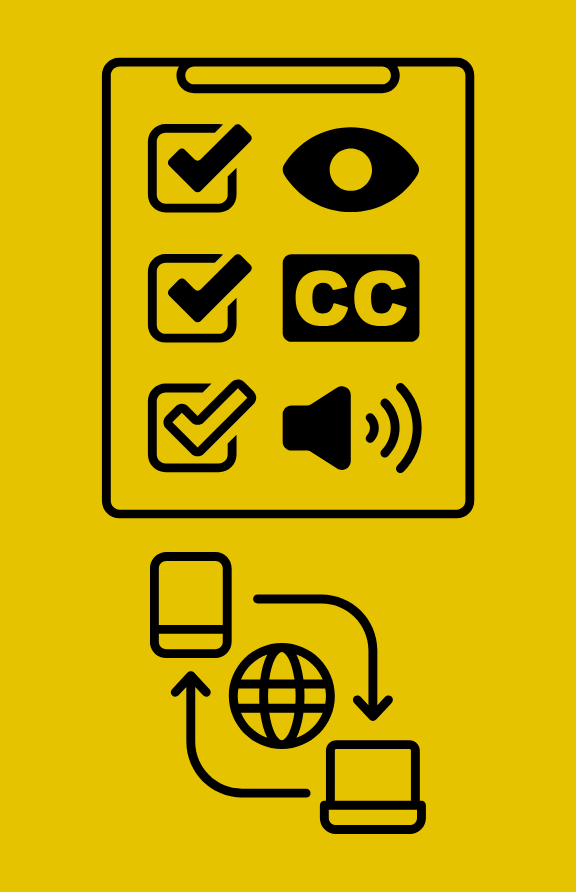
An accessible website allows people with visual, hearing, physical, cognitive and neurological disabilities to browse content, complete forms, make purchases, and access services without unnecessary barriers.
Accessibility also benefits users who are:
- Using mobile devices
- Browsing with slow internet connections
- Recovering from injuries
- Experiencing temporary impairments
- Using ageing technology
Accessible website guidelines encourage businesses to create digital experiences that are usable by the widest possible audience.
Some common examples include:
- Clear heading structures
- Descriptive alternative text for images
- Keyboard navigation
- Sufficient colour contrast
- Accessible forms
- Captions for video content
- Logical page layouts
- Clear and readable language
Accessibility should be considered throughout planning, design, development and ongoing content management.
Why is Website Accessibility Important?
Website accessibility is essential for organisations that want to reach the widest possible audience and deliver a better digital experience.
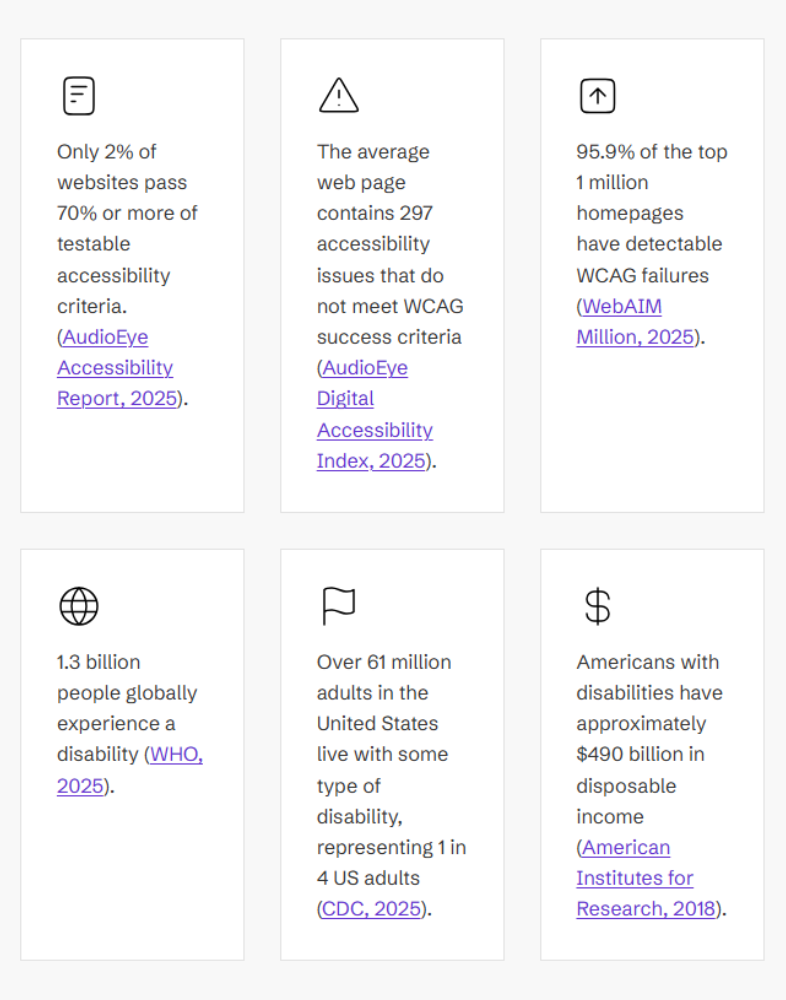
Around 16% of the world's population (approximately 1.3 BILLION people), live with a disability, making accessibility an important consideration for any business. Despite this, AudioEye's 2026 Digital Accessibility Index found that the average webpage contains 62 accessibility issues, with around 20% classified as high risk, due to preventing users from completing key actions such as making a purchase or submitting an enquiry.
The impact on businesses of poor web accessibility is therefore significant.
Research shows that 71% of people with disabilities will leave a website that is difficult to use, while 83% prefer to shop with organisations that provide an accessible online experience.
Investing in website accessibility removes unnecessary barriers, improves the experience for every visitor, and helps increase engagement, conversions and customer loyalty. Clear navigation, readable content and accessible functionality create a website that is easier for everyone to use, regardless of their abilities or circumstances.
Web accessibility statistics graphic source: https://www.audioeye.com/post/accessibility-statistics/
What is WCAG, and Why is POUR Important?
WCAG stands for Web Content Accessibility Guidelines.
Developed by the World Wide Web Consortium through the Web Accessibility Inititative, WCAG provides an internationally recognised framework for creating accessible digital experiences.
Published in October 2023, the latest version (WCAG 2.2) builds on previous guidance. This helps organisations create websites that are easier for everyone to use.
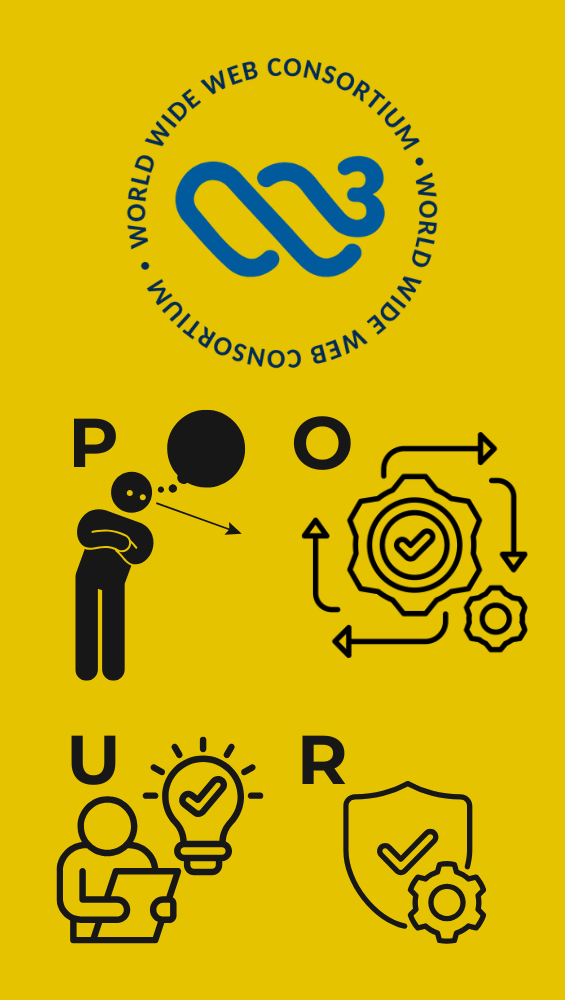
WCAG is built around four core principles known as POUR. These principles are:
Perceivable
Users must be able to perceive information regardless of how they access content.
Operable
Navigation and functionality should work using keyboards, assistive technologies, and alternative input methods (a couple examples being voice control / speech recognition, and touch / stylus interaction).
Understandable
Content should be easy to read, predictable and consistent.
Robust
Websites should remain compatible with current and future browsers, devices and assistive technologies.
For many organisations, WCAG provides the benchmark used during an accessible website test or accessible website checker audit.
Rather than treating accessibility as a one off exercise, WCAG encourages continuous improvement as websites evolve.
How Does Website Accessibility Affect Conversions and Business Revenue?
Accessibility is often viewed through the lens of compliance, but its commercial impact can be just as significant.
Globally, around 16% of the population lives with some form of disability. That represents approximately 1 in 6 people.
Within the United Kingdom, millions of people live with long term conditions affecting sight, hearing, mobility, cognition or dexterity.
The audience of people who benefit from web accessibility becomes even larger when considering people with temporary impairments, older users, and situational limitations.
Examples include:
- Holding a baby while browsing one handed
- Using a mobile phone in bright sunlight
- Working in a noisy environment where captions are essential
- Recovering from surgery
- Using ageing devices with smaller screens
Every unnecessary obstacle increases friction in the customer's decision journey.
This often leads to:
- More abandoned enquiries
- Lower eCommerce conversion rates
- Increased support requests
- Reduced customer satisfaction
- Lower customer retention
Improving accessibility removes barriers throughout the customer journey, making it easier for every visitor to achieve their goals (whether that be finding necessary information, or completing a purchase/donation depending on your business' goals)
For enterprise organisations processing thousands of visitors each month, even small improvements in conversion rates can deliver meaningful commercial returns.
Why Should You Prioritise Website Accessibility?
Accessibility should be viewed as an investment rather than a compliance exercise.
Here are seven reasons why organisations should place accessibility at the centre of their digital strategy.
1. Reach a larger audience
Making your website accessible allows more people to engage with your products and services.
You immediately widen your potential customer base while making your website easier for everyone to use!
2. Improve user experience
Many accessibility improvements are simply good usability.
Clear navigation, readable typography, logical layouts and a more streamlined content structure all create smoother customer journeys.
Better customer experiences typically lead to higher engagement and increased conversions.
3. Support SEO performance
Many accessibility best practices also support Search Engine Optimisation.
Structured headings, descriptive image text, meaningful page titles and logical content hierarchy all help search engines better understand your website.
As AI powered search continues to evolve, well structured content also improves visibility within Answer Engine Optimisation and Generative Engine Optimisation.
Learn more about the difference between SEO, GEO and AEO in our blog here - SEO vs GEO vs AEO… What’s the Difference?
4. Reduce legal and compliance risk
Accessibility expectations continue to grow across both public and private sectors.
With the Equality Act 2010 stating UK service providers must consider reasonable adjustments for disabled people, it is the consensus that web and digital service channels are included. If you are a public sector organisation, this is even more the case. Since 2018 it's been a legal requirement for all public sector websites and apps to meet certain accessibility standards and publish a statement saying they have been met.
Following WCAG demonstrates that accessibility has been actively considered within your digital strategy and helps reduce future compliance risks.
5. Protect your brand reputation
Customers increasingly expect organisations to demonstrate inclusion as part of ethical Corporate Social Responsibility initiatives.
Accessible digital experiences show that your organisation values every customer, and takes user experience seriously.
6. Reduce future development costs
Building accessibility into projects from the beginning is significantly more cost effective than correcting issues after launch.
Accessibility should become part of your design system, development standards and content governance.
7. Future proof your website
Technology evolves quickly.
Websites designed around recognised accessibility standards remain more adaptable to new browsers, devices, AI assistants and assistive technologies.
In short, accessibility supports long term digital resilience!
How Can You Test Whether Your Website is Accessible?
A combination of automated tools and expert reviews provides the most accurate assessment.
An accessible website checker can quickly identify common issues such as:
- Missing image descriptions
- Colour contrast failures
- Heading structure problems
- Missing labels
- Broken accessibility attributes
However, automated testing alone cannot identify every issue.
A complete accessible website test by a web development agency like Cold Banana should also include:
- Keyboard only navigation
- Screen reader testing
- Manual WCAG review
- User journey testing
- Form validation
- Mobile accessibility testing
Combining automation with human expertise delivers a much more accurate picture of your website's accessibility.
Why Choose Cold Banana as Your Web Accessibility Agency?
Accessibility should never compromise creativity, performance or functionality.
At Cold Banana, we believe accessible websites should deliver exceptional digital experiences for every user while supporting commercial objectives.
Our team builds enterprise websites that balance accessibility, user experience, technical performance and business goals.
Our accessibility services include:
- WCAG audits
- Accessibility consultancy
- Accessible website development
- User experience and user interface improvements
- Ongoing compliance support
We've also worked with a UK disability charity to create an accessible digital platform that empowers users while improving usability across every touchpoint.
Our “Empowering an Accessible Website” case study demonstrates how accessibility can become a competitive advantage while creating genuinely inclusive digital experiences. Learn more here.
Whether you're planning a new website, upgrading an existing platform or looking to improve accessibility across your organisation, our team can help you create digital experiences that work for everyone.

Ready to Make Your Website Accessible?
Creating an accessible website is about delivering better experiences for every visitor while protecting your organisation for the future.
Whether you're planning a new digital platform or improving an existing website, accessibility should form part of every stage of your digital strategy.
If you'd like to understand how accessible your current website really is, speak to our team at Cold Banana. We'll help you identify opportunities, improve user experience and build a website that performs for everyone!

Frequently Asked Questions About Website Accessibility
What is an accessible website?
An accessible website is one that allows people of all abilities to access, navigate and interact with content regardless of disability, technology or browsing conditions.
Does every website need to be accessible?
Every organisation benefits from making its website accessible. While legal obligations vary depending on sector and circumstances (it is a legal requirement for all public sector websites and apps to meet certain accessibility standards), improving accessibility increases usability, customer satisfaction and commercial performance.
Is website accessibility a legal requirement in the UK?
Public sector organisations have specific accessibility obligations. Private sector businesses may also have responsibilities under equality legislation depending on how services are delivered. Following WCAG is widely recognised as best practice.
Is WCAG mandatory?
WCAG itself is a set of internationally recognised guidelines rather than legislation. However, it is commonly used as the accepted benchmark for demonstrating digital accessibility.
How can I tell if my website is accessible?
Begin with an accessible website checker or automated accessibility audit. Follow this with manual testing against WCAG, keyboard navigation, screen reader testing and expert accessibility reviews.
How do I make my website more accessible?
Start by reviewing your website against WCAG. Improve navigation, colour contrast, page structure, image descriptions, forms and keyboard usability. Accessibility should become part of ongoing website management rather than a one time project. Get in touch with us at Cold Banana if you need help making your website accessible per WCAG guidelines!
Can website accessibility improve SEO?
Yes. Many accessibility improvements also improve technical SEO, user experience and content quality. Well structured content is easier for both search engines and AI powered search platforms to understand, supporting greater online visibility.