
The SEO Fireworks Display
14 min read
TLDR: What are the Three Main Takeaways for Improving Your SEO?
- Give Your Content Structure: Clear headings, relevant schema markup, and insightful genuine content make it easier for search engines to understand your website.
- Put Your Audience First: Useful, engaging content, a fast website, and accessible experiences help people find what they need and make the most of your digital platform.
- Think Beyond Traditional Search: SEO, Answer Engine Optimisation, and Generative Engine Optimisation can all play a part in helping your organisation get discovered across an evolving search landscape.
Introduction
Is your website traffic fizzling out? It might be time to look at your business’ SEO strategy!
With Bonfire Night just around the corner, we’re taking inspiration from the fireworks displays lighting up the skies this November. Much like a spectacular fireworks display, getting your website noticed takes the right combination of planning, creativity, and technical expertise.
From structured headings and engaging content to website performance and accessibility, here are five ways to make your Search Engine Optimisation strategy shine.

What Is SEO and Why Does It Matter For Your Business?
Search Engine Optimisation, or SEO, is the process of improving your website so search engines can understand its content and present relevant pages to people searching for information, products or services.
For businesses, effective SEO can help increase organic traffic, improve brand visibility, and connect your organisation with potential customers at the right moment.
Think about it… you could have the best website in your industry, but if your audience struggles to find it, you could be missing valuable opportunities!
For enterprise organisations, SEO is about more than chasing higher rankings. It supports your wider digital strategy by helping the right people discover your expertise, understand your offering, and take the next step. That might look like signing up to a mailing list, purchasing a product or service, or getting in touch with your business directly.
Now that we know WHAT SEO is…
How is SEO Like A Fireworks Display?
A great fireworks display takes careful planning, the right ingredients, and a team that knows how to bring everything together.
SEO works in much the same way. Every element has a role to play, from the technical foundations of your website to the content your audience reads.
Here are five ways to help your website make an impression with sparkling SEO!
1. Structure and Co-Ordination - How Do Structured Headings and Schema Markup Improve SEO?
Every great fireworks display needs structure, timing, and a little coordination. Your website content does too.
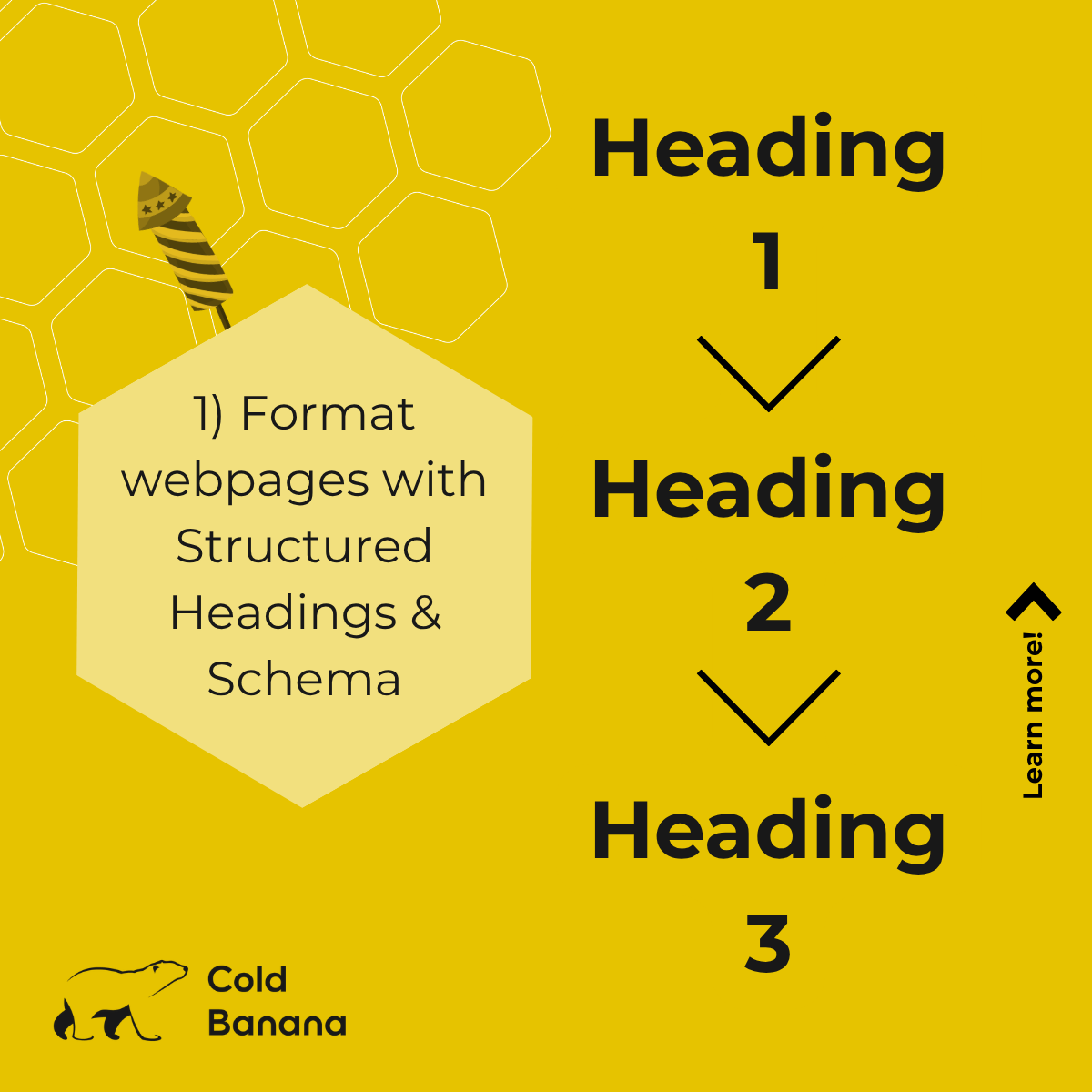
Clear headings help readers understand what a page covers, and directs the reader by making it easier to find the information they need. Structured headings also help search engines interpret the relationship and hierachy between different sections of your content.
Start with one clear H1 heading that describes the main topic of the page, followed by relevant H2 headings and H3 subheadings where needed.
For example, a page about your organisation’s digital services might use headings that explain what you offer, who you work with, and how your services solve specific business challenges.
Schema markup adds another useful layer. It provides search engines with structured information about your content, helping them interpret details such as your organisation, services, articles, and frequently asked questions.
When implemented correctly, relevant schema can make your content eligible for certain enhanced search features. It doesn’t guarantee richer results or higher rankings, but it helps search engines understand what your pages contain.
Our tip: Structure your content around the questions your audience is actually asking. Clear headings and useful answers make your website easier to navigate and support both traditional SEO and the wider search experience.
2. Colourful Style - How Can You Write Engaging SEO Content For People AND Search Engines?
A fireworks display needs the right combination of colour, movement and timing to capture an audience. Your content needs a similar balance. The key is understanding what your audience wants to know, and answering their questions clearly.
Keywords still matter. Including relevant phrases such as your services, industry expertise, and location can help search engines understand the subject of your pages.
However, cramming the same keywords into every paragraph can make your content difficult to read and may be treated as keyword stuffing. Instead, focus on creating genuinely useful content that reflects your audience’s needs.
For enterprise decision makers, this might mean explaining how a service addresses a business challenge, outlining the benefits of a particular technology; or answering common questions about implementation, cost, and ongoing support.
Consider how your content can support different stages of the decision making process. Someone researching a problem needs a different level of detail from someone comparing providers.
It’s also worth considering Answer Engine Optimisation (AEO) and Generative Engine Optimisation (GEO).
AEO focuses on making content easier for answer engines to understand and display your content when responding to questions. GEO focuses on improving the chances of your content being understood, referenced or surfaced in generative AI experiences that synthesise an answer from existing material on the internet.
Neither guarantees that your content will appear in an AI engine answer. However, clear explanations, useful evidence, relevant expertise, and well organised information gives search systems more context to work with.
Our tip: Write for people first, then optimise. Use keywords naturally, answer questions directly and demonstrate the experience and expertise behind your organisation.

3. Delivering Performance - How Does Website Performance Affect SEO?
A slow pace and performance can take the excitement out of even the most impressive fireworks display.
If visitors have to wait for pages to load, struggle to navigate your site or deal with frustrating interactions, they may leave before finding what they need.
Website performance is therefore an important part of your SEO strategy.
Google uses Core Web Vitals to assess aspects of the user experience, including loading, responsiveness, and visual stability. These metrics can help you understand how your website performs for real visitors.
Tools such as Google Lighthouse can also help identify opportunities to improve performance, accessibility and technical quality.
For enterprise websites, this might involve optimising images, reducing unnecessary JavaScript, reviewing third party scripts, or improving the way pages and resources are delivered.
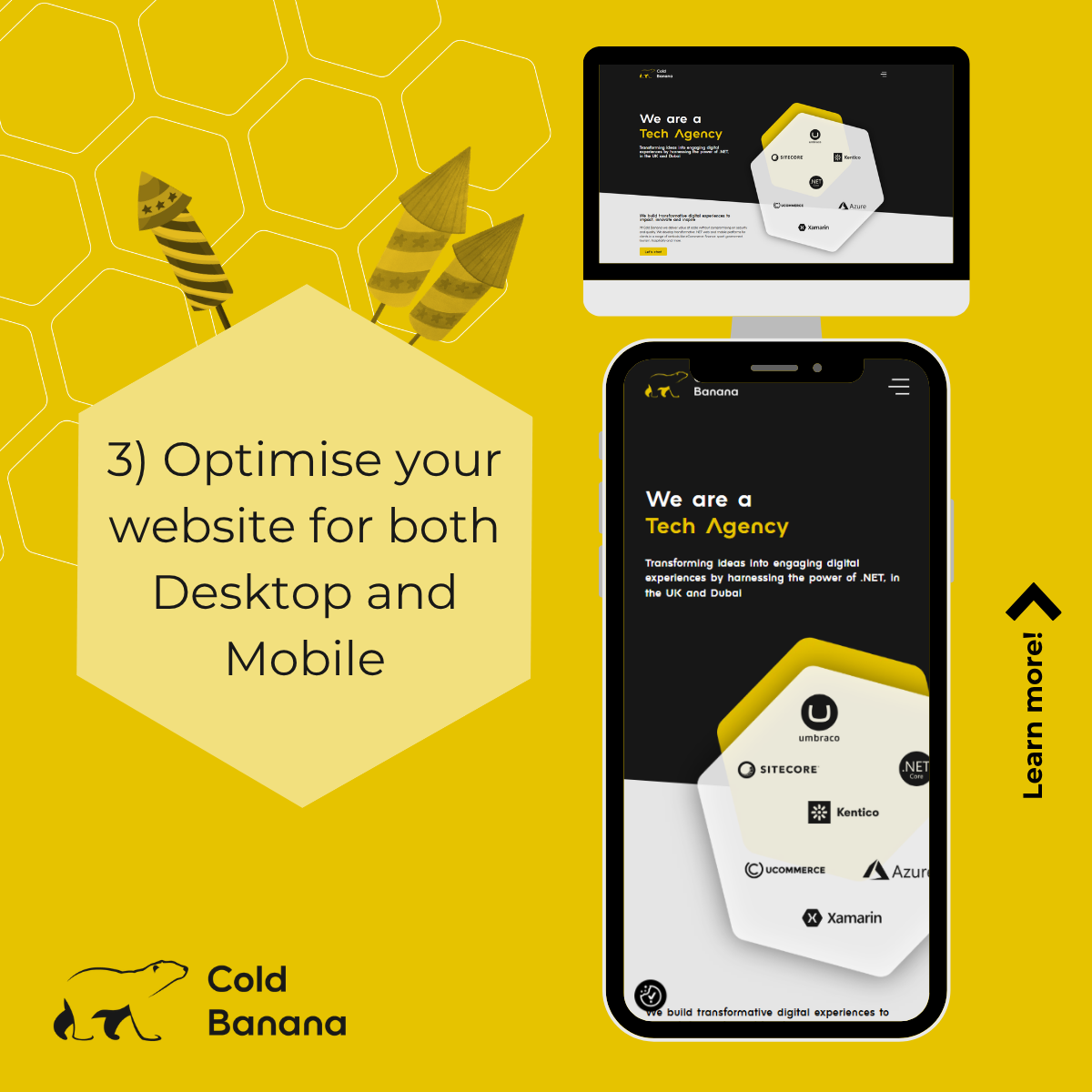
It’s important to consider mobile performance alongside desktop. Your website should provide a smooth experience regardless of the device someone uses.
A faster, user friendly website can make it easier for visitors to engage with your content and complete important actions. Strong technical foundations also help support your wider search strategy.
Our tip: Review your website performance regularly rather than waiting for a problem to appear. Small improvements across key pages can make a meaningful difference to the overall user experience.
4. Make It Accessible! - How Does Website Accessibility Support SEO and User Experience?
Imagine arriving at a fireworks display only to discover that you can’t see the show or access the viewing area. Your website should never create similar barriers!
Website accessibility helps ensure that people with different abilities can navigate, understand and interact with your digital content.
This includes people who use screen readers, keyboard navigation, voice recognition software, or other assistive technologies.
There’s several practical ways to improve accessibility across your website:
- Use descriptive headings and meaningful link text.
- Provide alternative text for images.
- Maintain sufficient colour contrast between text and backgrounds.
- Make sure interactive elements can be operated using a keyboard.
- Add captions or transcripts to relevant video and audio content.
- Ensure forms have clear labels and understandable error messages.
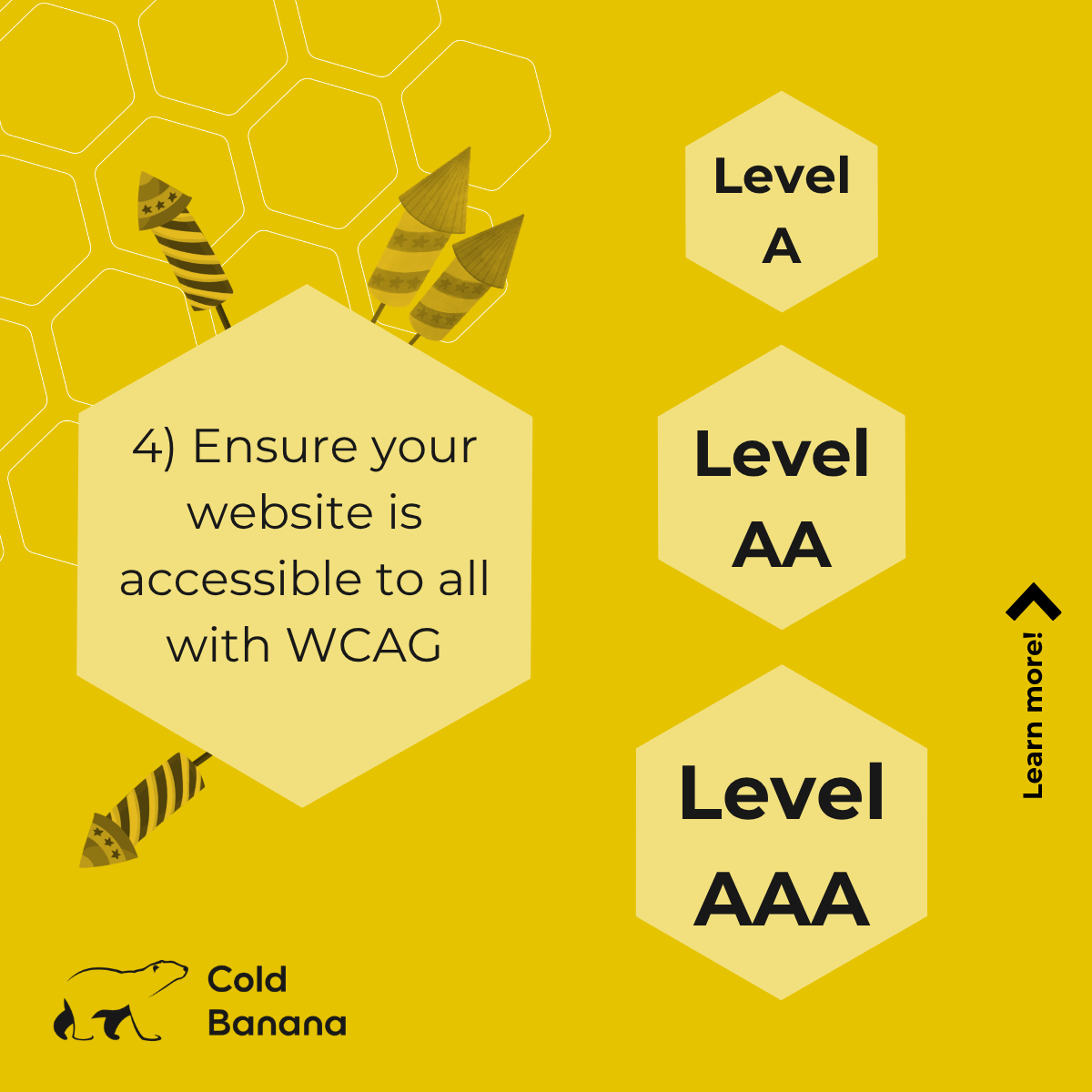
The Web Content Accessibility Guidelines (WCAG) provide an established framework for making digital content more accessible.
Accessibility and SEO share several useful foundations, including clear structure, meaningful content, and a website that people can navigate effectively. However, accessibility compliance doesn’t automatically improve rankings, and SEO best practice doesn’t replace a proper accessibility assessment.
For enterprise organisations, accessibility also deserves attention from a legal, reputational and customer experience perspective.
Learn more about Web Accessibility in our Cold Banana blog “Why Is Website Accessibility Important for Businesses?”
Our tip: Build accessibility into your website development and content processes from the beginning. It is much easier to maintain an inclusive digital experience when it is considered throughout the project.
5. Get An Expert On Board - Why Should You Work With An Experienced SEO Agency?
The best fireworks displays are planned by people who understand how to bring every element together. The same principle applies to SEO.
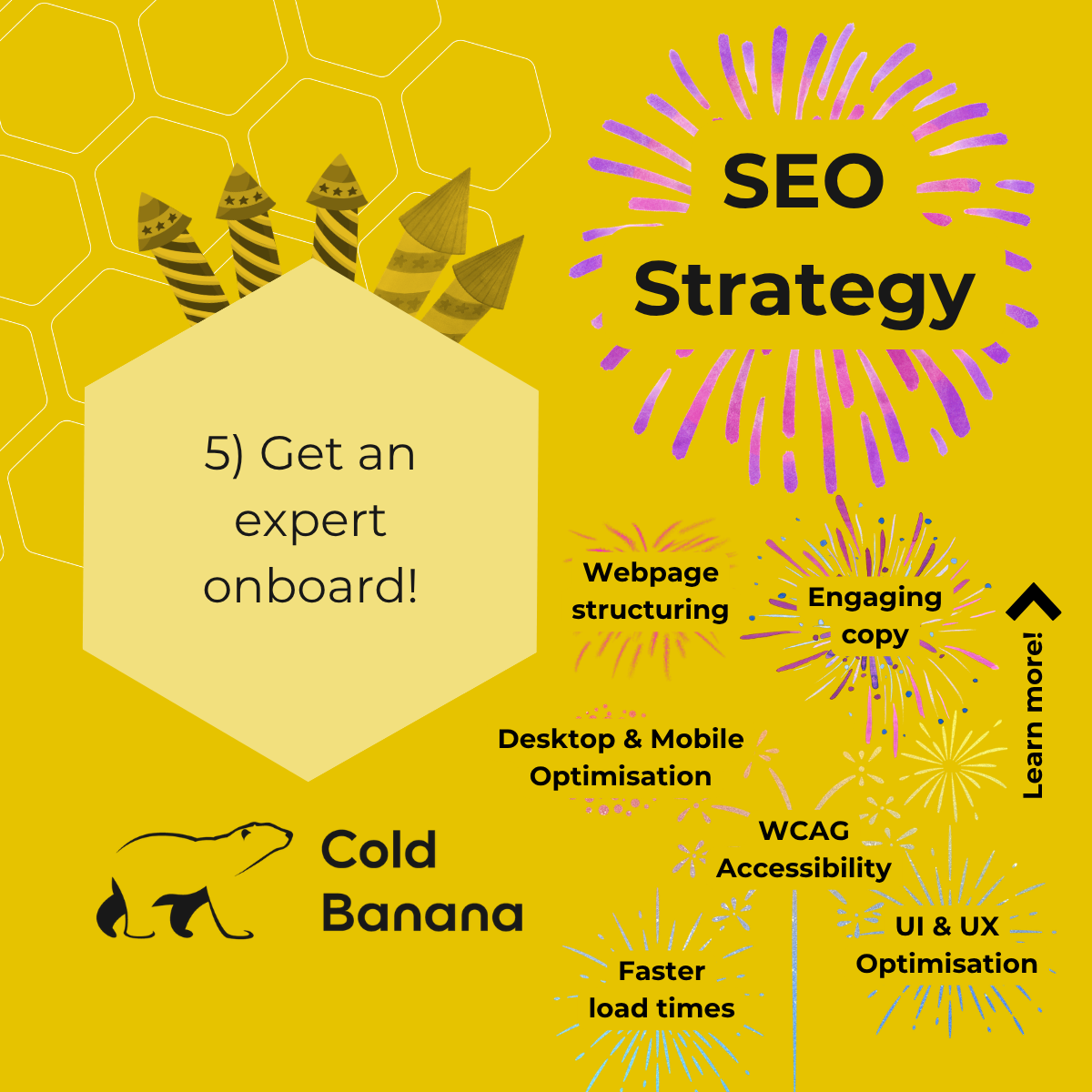
Developing an effective Search Engine Optimisation strategy requires a combination of technical knowledge, content expertise, data analysis and an understanding of your commercial objectives.
An experienced SEO agency (like us!) can help you identify opportunities, prioritise improvements and measure the impact of your work.
This might include:
- Conducting a technical SEO audit to identify issues affecting your website.
- Researching relevant keywords and search intent.
- Improving existing website content and identifying content gaps.
- Reviewing internal linking, metadata, and structured data.
- Monitoring search visibility, organic traffic, and conversions.
- Developing an AEO and GEO strategy to support visibility across evolving search experiences.
Our tip: For enterprise organisations it’s particularly important to connect SEO activity with wider marketing and business goals. An increase in web traffic may appear beneficial but it’s only a benefit to the business when it reaches the right audience and contributes to meaningful outcomes.
At Cold Banana, we bring technical web development expertise and performance marketing together to help businesses make the most of their digital presence.
Our team understands how website development, user experience, content and technical performance work together. That means we can look beyond individual SEO tasks and consider how your website supports your wider business objectives.
Whether you need a technical SEO audit, improvements to your existing website, a new digital platform, or support with Answer Engine Optimisation and Generative Engine Optimisation, we can help you understand where to focus your efforts.
As search continues to evolve, we can help you build a strategy that considers traditional search engines alongside emerging AI powered experiences, including Google AI Overviews.
Ready to stop your website traffic from fizzling out?
Let’s talk about how Cold Banana can help your digital presence shine by getting in touch with us here!

What is the Difference Between SEO, AEO and GEO?
SEO focuses on improving your website’s visibility in search engine results. AEO focuses on helping answer engines understand and surface useful responses to users’ questions. GEO focuses on improving how your content can be understood, referenced and surfaced in generative AI experiences.
These approaches overlap, and a well structured website with useful, authoritative content can support all three.
Learn more about the differences between SEO, GEO and AEO in our Cold Banana blog “SEO vs GEO vs AEO… What’s the Difference?”
How Can My Business Appear in Google AI Overviews?
Google AI Overviews are AI generated summaries that can appear within Google Search results for certain queries.
There is no guaranteed method for appearing in them. Businesses should focus on creating helpful, reliable content, demonstrating relevant expertise, maintaining technically accessible websites and ensuring that important information is easy for search systems to understand.
Strong traditional SEO foundations remain important, although ranking highly in standard search results does not guarantee inclusion in an AI Overview.
How Long Does Search Engine Optimisation Take to Work?
SEO is a long term investment, and results vary depending on factors such as your website’s current condition, competition, industry, content quality and the scale of improvements being made.
Some technical fixes may have an impact relatively quickly, while building authority and improving visibility for competitive search terms can take considerably longer. It’s generally accepted that SEO work will take a minimum of 3 to 6 months to begin observing any significant changes.
The best approach is to establish clear objectives, track meaningful performance indicators and review progress regularly.
Does Website Accessibility Improve SEO Rankings?
Web accessibility can support several elements that contribute to a good website experience, including clear content structure, descriptive links and usable navigation.
However, accessibility compliance is not a direct guarantee of improved rankings. Businesses should prioritise accessibility because it helps people use their websites and supports inclusive digital experiences, while treating SEO as a related but separate consideration.
Learn more about our Web Accessibility Services here.
What’s The First Step Towards Improving My Website’s SEO?
Start by understanding how your website currently performs.
A technical SEO audit, keyword research and content review can help identify issues affecting visibility and opportunities to better meet your audience’s needs.
From there, prioritise improvements based on their likely business impact, available resources and long term objectives.
If you need help identifying where to start, our SEO experts at Cold Banana can help you explore the opportunities across your website, content and wider digital strategy.