
Google’s New Era of AI Search
12 min read
Google New Era of AI Search Has Begun. Is Your Business Ready?
Google’s May 2026 Core Update is expected to re-shape how businesses appear in search as the update rollout progresses.
Following major announcements at Google I/O 2026 around AI powered search experiences, Gemini integration, and expanded AI Mode functionality; Google Search is anticipated to evolve rapidly. Search journeys are becoming more conversational, more personalised, and increasingly influenced by AI generated responses.
For enterprise businesses, this creates both challenges and opportunities.
Traditional Search Engine Optimisation strategies still matter, but they are now part of a broader discoverability ecosystem that also includes emerging disciplines such as Answer Engine Optimisation and Generative Engine Optimisation.
Businesses that adapt early may strengthen their digital visibility, improve lead quality, and position themselves for long term growth in AI search environments.
But how can your business benefit from this shifting digital landscape? To understand this, we must first ask…

What Is a Google Core Update?
A Google Core Update is a broad change to Google’s search ranking systems.
Unlike smaller updates that target specific issues such as spam or product reviews, core updates can impact how Google evaluates content quality, authority, relevance, trust, and user experience across the web.
Industry analysts believe the May 2026 Core Update appears closely aligned with Google’s wider AI search direction. Following the expansion of Google AI Overviews and AI Mode, Google appears to be placing increased importance on content that demonstrates:
- Experience
- Expertise
- Authoritativeness
- Trustworthiness
- Semantic relevance
- User satisfaction
- Structured information
- Helpful content experiences
For businesses, this means discoverability is becoming increasingly connected to how effectively websites communicate trust, expertise, and value to both users and AI systems.
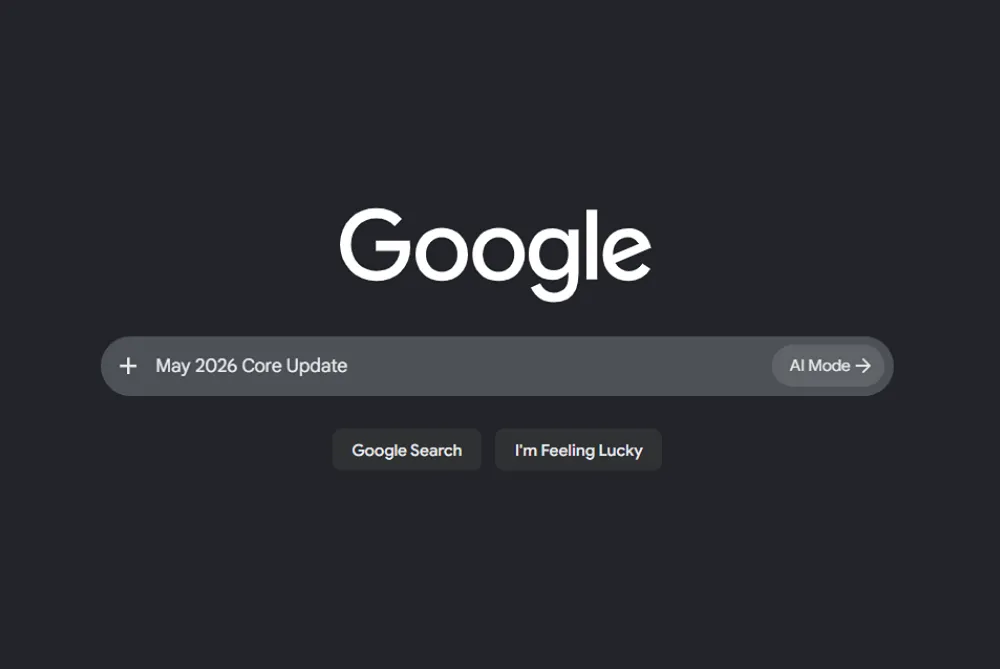
What Changes Is Google Implementing in the May 2026 Core Update?
Google has not released a detailed breakdown of every ranking adjustment included within the May 2026 Core Update. However, industry analysis and wider AI search developments point towards key emerging trends.
Greater Integration Between Google Search and Google AI
Google AI is becoming more deeply integrated into the search experience.
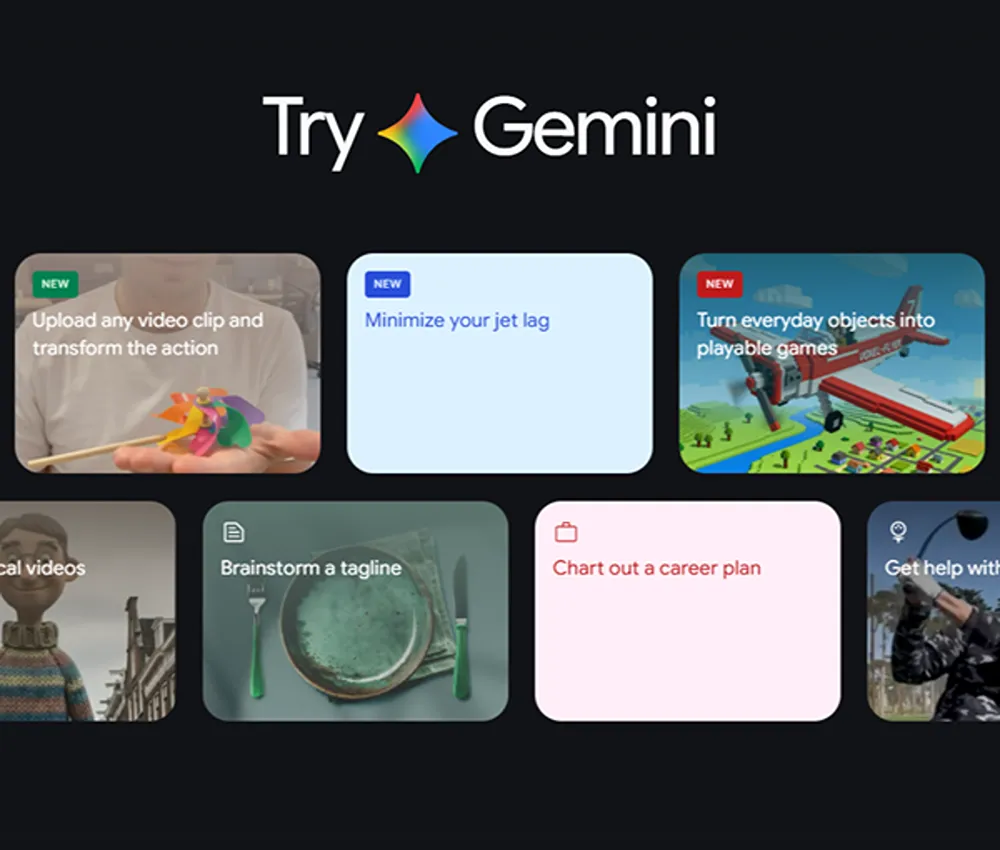
AI generated summaries, conversational search journeys, and multimodal search interactions are becoming increasingly prominent across Google Search. Users can now ask more complex questions, upload images and documents, and receive synthesised responses directly within search experiences.
This may change how users discover information online.
Instead of independently reviewing multiple websites, users are increasingly relying on Google AI and other AI powered answer engines suchas Claude and ChatGPT to aggregate and interpret information for them.
Stronger Emphasis on Topical Authority
Businesses that consistently demonstrate expertise within a specific subject area may benefit from evolving search systems.
Industry observations suggest Google’s systems are becoming increasingly sophisticated at understanding topical relationships, brand authority, and contextual relevance across larger content ecosystems.
Enterprise organisations with fragmented content strategies or inconsistent messaging may find it more difficult to establish authority signals.

Increased Importance of Technical Performance
Technical foundations remain critical.
Fast loading websites, mobile responsiveness, accessibility, structured data, crawlability, and user experience continue to influence how effectively search engines and AI systems interpret website content.
AI search experiences still rely heavily on high quality websites as foundational information sources, so strong content marketing strategies partnered with technically sound web development is still THE winning combination to maximise discoverability!

Why Is the May 2026 Core Update Being Called a New Era of AI Search?
Because Google Search is increasingly evolving beyond a traditional search engine experience!
Google’s new positioning of search has shifted from a traditional search engine model where a query will provide a list of links for user’s to navigate, towards an AI assisted discovery and decision making platform. Consequently, AI Mode and Google AI Overviews are changing how users interact with information online. Search experiences are becoming increasingly conversational, contextual, and predictive.
This has important implications for businesses.
The customer journey increasingly shifts from:
- Search query
- Website click
- Research phase
- Purchase decision
Towards journeys shaped by:
- AI assisted discovery
- AI generated recommendations
- Shortlisted trusted brands
- Direct navigation to brand website
- Transactional intent
With this behavioural shift, businesses will need to increasingly prioritise optimisation not only for rankings, but also for visibility within AI generated responses and conversational search experiences.
This is where Answer Engine Optimisation and Generative Engine Optimisation are becoming increasingly relevant as part of broader digital discoverability strategies.

What Impact Will the Google May 2026 Core Update Have on Your Business Website?
The answer depends on the strength of your current digital presence.
Businesses with strong technical SEO foundations, authoritative content, and clear user journeys may perform well within evolving AI search environments.
Businesses relying heavily on outdated SEO tactics, low value content, or disconnected digital experiences could experience declining visibility over the coming months.
What Are the Potential Risks for Businesses?
Will Competition for AI Visibility Increase?
AI search experiences often surface fewer directly visible links compared to traditional search results.
Brands are now competing not only for rankings, but also for inclusion within AI generated answers and recommendations.
This increases the importance of authority, trust, content quality, and technical performance to become the top source in AI searches, increasing the likelihood of your website being viewed via referenced links.
Could Organic Click Through Rates Decrease, and Is Zero Click Search a Threat to Business Growth?
Potentially, particularly for businesses focused primarily on traffic volume metrics.
However, AI assisted search may also improve lead quality over time.
As users complete more research within Google AI experiences, the visitors who do navigate to business websites may increasingly demonstrate stronger intent and greater purchase readiness.
This means some businesses could see reduced traffic volumes alongside improved conversion quality.
For enterprise organisations, this may create an important strategic shift away from maximising traffic volume alone and towards attracting highly qualified visitors closer to decision making.
Frequently Asked Questions
How Does Google AI Mode Work?
Google AI Mode is designed to provide more conversational and contextual search experiences.
Instead of presenting users with a simple list of links, Google AI Mode uses artificial intelligence to interpret questions, analyse information from multiple sources, and generate synthesised responses directly within search.
Users can ask follow up questions, upload images or documents, and receive more personalised responses powered by Google’s Gemini AI systems; especially useful for customers searching for additional information around your products or services prior to purchase or inbound enquiries.

How Does Google AI Search Work?
Google AI search combines traditional website indexing with advanced AI reasoning systems.
Google still crawls and indexes websites across the internet. However, AI systems can now interpret, summarise, and contextualise information before presenting responses to users.
This means businesses increasingly need to optimise their websites for both:
- Human users
- AI retrieval systems
Content structure, semantic clarity, technical performance, entity authority, and contextual relationships all appear to play growing roles in discoverability.

What Google AI Tools Are There?
Google now offers a growing ecosystem of AI powered tools and experiences, including:
- AI Overviews
- AI Mode
- Gemini
- Google Lens
- AI powered Google Workspace features
These tools are designed to support productivity, search experiences, content discovery, automation, and data interpretation across both consumer and enterprise environments.
How Do I Optimise My Website for Google AI?
Businesses should consider a combined SEO, AEO, and GEO approach as part of a wider digital discoverability strategy. Key points to consider include:
Prioritisation of Search Engine Optimisation Foundations
Traditional SEO remains essential.
Businesses should continue investing in:
Technical SEO optimisations
-
- Site performance
- Structured content architecture
- Mobile optimisation
- Accessibility
- Internal linking
- Crawl efficiency
Image SEO optimisations
-
- Descriptive alt text
- WebP or SVG formats
- Appropriate resolution for image use case
On page SEO optimisations
-
- Relevant URL slug
- Keyword optimisation for meta titles and meta descriptions
- Use of high value keywords throughout content body
These foundations maximise visibility for your webpages in search engine results pages, and streamlines navigation for users and AI systems, allowing for easier understanding of web content.
Understanding the Difference Between SEO, AEO, and GEO
Search discoverability is evolving rapidly.
Businesses should understand the differences between:
- Search Engine Optimisation
- Answer Engine Optimisation
- Generative Engine Optimisation
Each discipline supports discoverability across traditional search, AI assistants, and generative search experiences.
You can learn more about the similarities and differences between SEO, AEO and GEO right here! - SEO vs GEO vs AEO: What's the Difference?
Creating Content Designed for AI Retrieval
Industry evidence suggests AI systems favour content that is:
- Clearly structured
- Contextually relevant
- Trustworthy
- Helpful
- Easy to interpret
Businesses should focus on creating content that directly answers user questions while demonstrating expertise and commercial credibility.
How Is Google AI Different From Other AI Search Engines?
Google AI combines artificial intelligence with Google’s existing search infrastructure, ranking systems, and global index of websites.
This gives Google significant advantages in scale, contextual understanding, and access to real time search data.
Unlike standalone AI platforms, Google AI integrates directly into existing search behaviour, allowing users to access AI powered answers alongside traditional search results, maps, shopping experiences, videos, and other Google services.
For businesses, this means Google AI optimisation is likely to remain an important part of future digital strategy. Leveraging local SEO via establishing a comprehensive Google Business Profile is just one way to further help your business stand out in Google Search.
What Should Businesses Do Next?
Businesses that adapt early to evolving AI search experiences may be better positioned for long term digital growth.
Continue Investing in SEO Best Practices
Strong SEO remains the foundation of discoverability.
AI search systems still rely on accessible, technically optimised, and authoritative websites.
Improve Website User Experience and Conversion Journeys
As website visitors potentially become more qualified, conversion optimisation may become increasingly important.
Businesses should ensure their websites provide:
- Clear navigation / purchase pathways
- Effective conversion pathways via conversion rate optimised hooks and calls to action
- Strong messaging which resonates with your businesses brand
- Fast performance
- Frictionless user journeys
Build Brand Authority Across Digital Channels
Industry evidence increasingly suggests AI systems evaluate trust signals across the wider digital ecosystem.
Digital PR, thought leadership, case studies, expert content, and consistent brand positioning may all contribute towards stronger authority signals.
TLDR; Key Takeaways
1) The May 2026 Core Update reinforces Google’s broader shift towards AI driven search experiences and conversational discovery.
2) Businesses should consider optimising for Search Engine Optimisation, Answer Engine Optimisation, and Generative Engine Optimisation together as part of a broader discoverability strategy.
3) Brands that focus on establishing themselves with technical excellence, as a trusted authority that prioritises a strong user experience may be better positioned for long term digital visibility.

Why Choose Cold Banana for SEO, CRO, and AEO Optimisations?
At Cold Banana, we help enterprise businesses adapt to evolving digital landscapes through intelligent web strategy, technical .NET expertise, and conversion focused optimisation.
Our team combines:
- Enterprise SEO strategy
- Technical web optimisation
- CRO expertise
- AI search visibility optimisation
- User Experience and User Interface design
- Performance focused digital strategy
As AI search continues reshaping online discoverability, businesses need digital partners that understand both traditional search foundations and emerging AI ecosystems.